Meta AI Companion App Contains Hidden Facial Recognition Feature for Smart Glasses, Raising Privacy Concerns
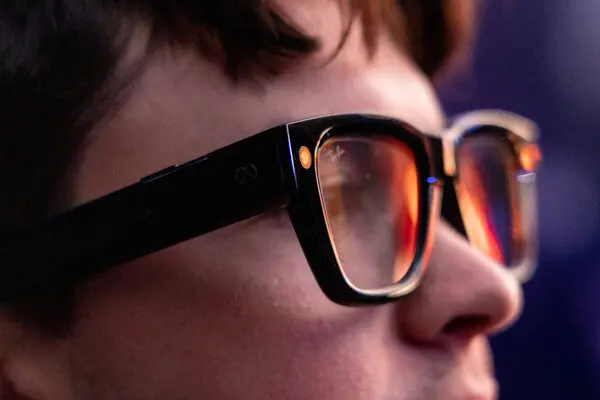
Meta has quietly embedded code for an unreleased facial recognition feature in its Meta AI companion app for smart glasses, according to a new report. The feature appears in the app’s code but is not currently enabled or exposed to users. Wired found that the dormant system, referred to in the code as “NameTag,” can capture and process people’s faces using Meta branded smart glasses and later notify the wearer when a recognized face appears. Although the feature doesn’t send biometric data to Meta’s servers or run on user devices yet, past versions of the app showed interface elements suggesting how it might work. The code implies that faces captured by the glasses could be stored and compared to previously captured faces, notifying the wearer when a match occurs. Meta spokesperson Ryan Daniels stressed to Engadget that the company is “exploring these types of features” and that “nothing has shipped to consumers and no final decision has been made on what to do here, if anything.” Meta also insisted it is not building a centralized face database as part of this work. The discovery adds to ongoing questions about how Meta may utilize biometric technology in future wearable products.
Wired Analysis Shows Biometric System Deep in Live App
A deeper Wired analysis reveals that Meta quietly shipped key components of the face recognition system into the live Meta AI app used by millions. Internal code shows the feature, internally dubbed NameTag, is embedded within the companion software for Ray Ban and Oakley smart glasses even though it remains disabled for users. Wired’s report explains that if activated, the system could convert a captured face into a unique biometric signature called a “faceprint” and match it against those stored locally on a user’s device. Detected faces could trigger recognition notifications while unrecognized ones might be cropped and placed in a “pending” folder for future processing. Wired’s investigation also found three AI models necessary for detection, cropping, and encoding, which are already part of the software residing on phones. Privacy advocates have raised alarms, saying such capabilities risk normalizing biometric scanning and surveillance if activated without clear user controls or consent. Meta has repeatedly said it would only roll out facial recognition features with transparency and thoughtful safeguards. Despite public statements that facial recognition would not be deployed without careful review, Wired’s findings show the underlying system is already in mass market software ready for activation.
Privacy Concerns Over Embedding Face Recognition Without Notice
TechBuzz’s report echoes and expands on the Wired investigation, highlighting that Meta has stealthily built a dormant facial recognition infrastructure into its smart glasses ecosystem without publicly disclosing it to users. The biometric identification system is designed to match faces seen through the glasses’ camera against locally stored profiles on a paired smartphone. Because this system stores data on device rather than on Meta’s servers, it might avoid certain privacy regulations — but it also raises fresh concerns about surveillance and ethical implications. The technical implementation suggests Meta has been preparing for facial recognition support for some time, yet millions of users have this capability on their phones without being informed. TechBuzz notes that the feature could link recognized faces with contact information or social profiles, potentially allowing real time identification. This development comes after Meta initially shut down its Facebook facial recognition system in 2021 amid privacy and regulatory pushback. The company has not explained when or whether the feature will be activated, what controls users will have, or whether explicit consent will be required before turning on biometric identification via the glasses. The silent inclusion of such powerful code raises questions about transparency and whether wearable AI hardware could normalize constant biometric scanning in everyday life.

Robert Miller
Robert tracks the hard-tech breakthroughs that will power a carbon-neutral world.
Related Post

OpenAI Reportedly Explores Legal Options Against Apple Over AI Partnership

Waymo Driverless Cars Become Trapped in Atlanta Suburb After Glitch

SpaceX Successfully Launches Starship V3 in Major Milestone for Mars Program

Intel Launches Arc G3 Chips for Handheld Gaming PCs
RECENT POST
- »Asian Markets Rally as United States and Iran Move Closer to Possible Deal
- »Family Offices in 2026: Shifting from Preservation to Planetary Impact
- »Louisiana Republicans Advance Congressional Map Reducing Majority-Black Districts
- »Marco Rubio Pushes US Energy Exports During Critical India Visit
- »OpenAI Reportedly Explores Legal Options Against Apple Over AI Partnership