Graham Platner Drops Out of Maine Senate Race After Controversy as Democrats Begin Replacement Process
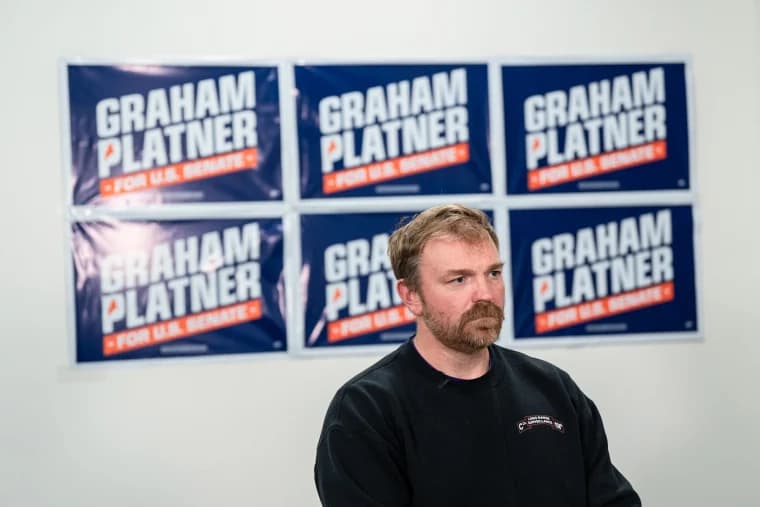
Democratic Senate candidate Graham Platner has suspended his campaign for the U.S. Senate in Maine, a major political shakeup in one of the nation’s most closely watched 2026 Senate races.
Platner said he was suspending his campaign amid mounting controversy, including allegations of sexual misconduct, as a progressive who won the Democratic nomination and was preparing to challenge Republican Sen. Susan Collins. Platner denied the allegations but said he was stepping aside under pressure from Democratic leaders and supporters.
That leaves Maine Democrats little time to choose a replacement candidate ahead of the general election, clouding a race that party leaders had seen as a potential opportunity to pick up a Senate seat.
1Progressive Candidate’s Campaign Falls Apart in the Face of Scandals
Platner entered the Maine Senate race as an outsider, buoyed by a strong progressive vote.
Former Marine and oyster farmer Platner has focused his campaign on working-class issues, economic inequality and a critique of people from the political establishment. His campaign was grass-roots and drew national attention, including from leading progressive Democrats.
But his campaign faced difficulties as allegations of his past behavior surfaced.
Platner denied the charges, saying they were false. The controversy led to the withdrawal of support from several major supporters. Democratic leaders said that continuing a campaign in a competitive Senate race would pose a major problem for the party.
2Dems Release Big Senate Challenger
The Maine Senate race was viewed as strategically important as Democrats search for possible ways to expand their Senate majority.
Platner’s victory in the Democratic primary set him up to challenge long-serving Republican Sen. Susan Collins, who has held the seat for several terms.
Democrats had viewed Maine as a possible battleground because of the state’s history of electing moderate candidates and its history of split-ticket voting. But the party has to quickly re-shape the campaign strategy with Platner leaving.
The disruption is expected to be used by Republicans to build up Collins’s profile ahead of the general election.
3Maine Democrats Begin Replacement Process
With Platner out of the race, the Maine Democratic Party now has to choose a new nominee to run in November.
Party officials have said they are planning a nominating process and a convention is likely to be central to the selection of the replacement candidate. And state election rules require Democrats to finish within a short window.
The party is under pressure from a range of competing priorities:
The decision could dramatically alter the competitiveness of the race.
4Democrats Mull Next Moves as Possible Candidates Emerge
A few Democrats have been mentioned as possible replacements.
Possible candidates could be experienced politicians, former candidates and people that could appeal to different parts of the Democratic coalition.
Some progressive activists have said they want the replacement to continue the populist message that helped Platner win the primary, while party officials are focused on finding someone who can appeal statewide.
The argument is emblematic of a larger rift within the Democratic Party between the progressive grass roots and traditional electioneering.
5Platner Supporters Want a Voice in the Selection
Platner's supporters have demanded an open selection process and said voters who backed his candidacy should have a say in the next nominee.
Some allies warned of the danger that party leaders could select a candidate with little input from rank-and-file supporters.
The discord highlights the difficulty Democrats face in replacing a candidate who ran a movement-based campaign, rather than one built on traditional party structures.
Party officials said the process will follow Maine election rules, while trying to provide a fair path to whoever becomes a new nominee.
6Maine Democrats Face Challenges
Platner’s departure is the question mark time in election cycle.
Democrats are now faced with the challenge of regaining momentum, introducing a new candidate to voters and mounting a statewide campaign in a short amount of time.
The development could be a boon to Republicans, allowing Collins’ campaign to play up stability as Democrats grapple with changes within their party.
But Maine has an unpredictable political climate that has kept the race tight.
7Impact on the 2026 Senate Race
The Maine Senate race is part of a bigger national fight for control of the chamber.
Each party has competitive Senate seats it is eyeing heading into the 2026 midterms.
But a strong Democratic replacement candidate could make the race competitive, especially in a state where independent voters often determine the outcome.
But with the timing of Platner’s exit, the new nominee will face immediate challenges in fundraising, organization and voter recognition.
8What’s Next for Maine?
The next few weeks will show where the Democratic campaign is headed.
Party officials will have to find a new candidate who can bridge the gaps between the party’s warring factions and scramble to get ready for a statewide election.
The ruling could affect not just the Maine Senate race, but national conversations about how candidates are chosen, grassroots efforts and party strategy.
Graham Platner’s departure is one of the more dramatic twists in the 2026 Senate race, giving Democrats a tough challenge — rebuilding a campaign from scratch with months to go before voters head to the polls.

Sarah Jenkins
Sarah covers national politics, elections, and policy developments.
Related Post
Senate Panel Moves Toward Contempt Vote Against Anthony Fauci Over COVID Hearing Dispute

Wesley Bell Beats Cori Bush in Missouri Primary as Democratic Party Divisions Deepen

Keir Starmer Donates His Own Biography to Historic Downing Street Library

Zohran Mamdani Sparks Controversy with Warning to Wealthy New Yorkers Over Pied à Terre Tax
RECENT POST
- »TikTok Agrees to $400 Million US Settlement Over Children's Privacy Violations
- »Panama Canal to Reduce Daily Ship Traffic as El Niño Drives Drought
- »Keir Starmer Donates His Own Biography to Historic Downing Street Library
- »Panama Canal to Cut Daily Ship Transits as El Niño Threatens Water Supplies
- »Bitcoin Surges Above $70,000 After Trump Urges Congress to Pass Crypto Regulation Bill