Zohran Mamdani Sparks Controversy with Warning to Wealthy New Yorkers Over Pied à Terre Tax
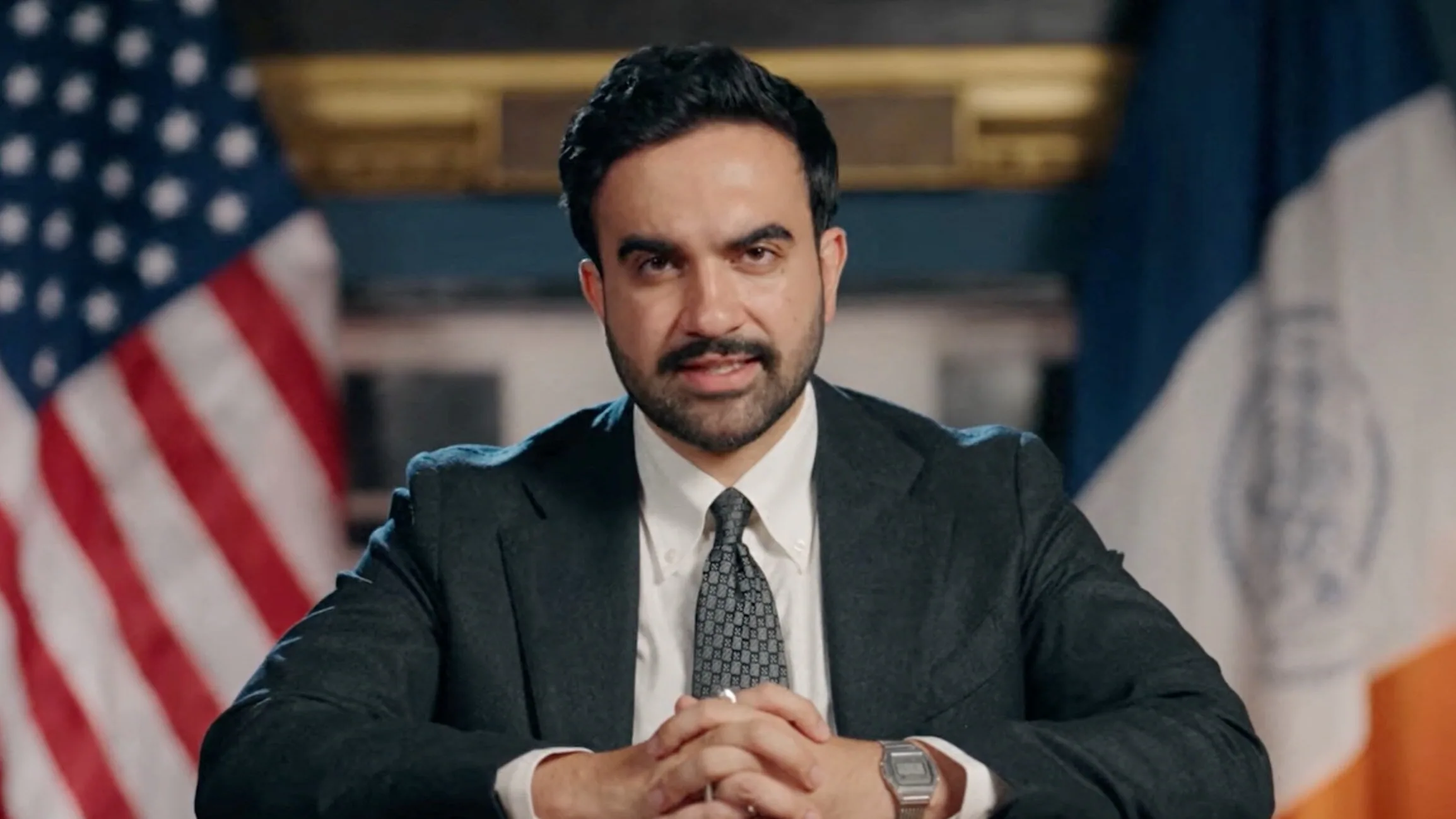
New York City Mayor Zohran Mamdani has ignited a heated political debate by urging wealthy New Yorkers, particularly those with “pied-à-terre” properties and high-value homes, to contribute their “fair share” in taxes to support city services and its fiscal health. Critics seized on his comments as being divisive and ideologically extreme, while supporters say they reflect growing concerns about inequality and housing affordability in the city.
Mamdani’s comments came as part of a broader discussion about taxation and city revenue, as city officials look at ways to increase money for public services without putting too much of a burden on residents in middle and lower income brackets. The mayor argues that the wealthy owners of second homes and luxury properties benefit more from city infrastructure and public safety services and therefore should pay more in taxes based on their economic capacity.
Taxes on second homes owned by people who live mostly elsewhere — pied à terre taxes — have occasionally popped up in New York policy discussions as a way to generate revenue from wealthy property owners who occupy prime real estate but use city services. Mamdani’s comments brought that issue back to the fore and increased public discussion.
**A Political Backlash at the National Level and an Online Firestorm** Mamdani’s comments sparked a significant backlash from conservative media and political commentators, who cast the mayor’s comments as an assault on wealth and property rights. Others went further, calling the rhetoric consistent with far left or even “communist” ideology — a term used by opponents to emphasize how extreme his tax proposals were perceived to be.
Mamdani faced heavy criticism on social media, especially from people on the political right, who said his push for higher contributions from wealthy homeowners would discourage investment and property ownership in New York City. Others warned that targeting pied à terre or second home owners risks alienating wealthy taxpayers who spend and live in the area and support the local economy.
Some conservative commentators echoed those sentiments on their shows and in their headlines, implying that Mamdani’s language reflected an ideological agenda, not a practical policy initiative. Such characterisations have driven wider partisan debate about wealth, taxation and urban competitiveness.
**Backers Cite Inequality, Need for Revenue** Mamdani’s supporters countered the backlash by pointing to the continued problems of wealth and affordability in New York City. The argument was that discussions about tax fairness and raising revenue fairly are appropriate for a city struggling with rising housing costs and inequality, which is putting a strain on residents and municipal budgets.
“Many wealthy property owners who own property in New York benefit from the public infrastructure, transit systems and cultural amenities New York provides whether they live in the city year-round or not,” advocates said. Targeted tax measures like pied à terre levies or other surcharge policies could help redistribute the tax burden and invest in housing, education and services for the wider population, they say.
**Wider Context: Revenue Problems in NYC** The city of New York continues to be under fiscal pressures with funding education, maintaining infrastructure and providing services. In recent years, municipal leaders have been exploring multiple revenue streams to close budget gaps and ensure long term financial stability. The quest for the right mix has brought ever more attention to the differential tax treatment of various income groups and property classes.
Those talks come as broader economic concerns such as housing affordability, rising rents and cost of living pressures disproportionately impact low- and middle-income residents. Some city leaders see progressive taxation of luxury assets as one tool in a larger toolkit to address those challenges.
**What Happens Now** So far, Mamdani’s comments have been more rhetorical than tied to specific legislative proposals. But the row has highlighted the touchiness of tax policy in an expensive city where the rich and second home owners sit on prime real estate.
City officials may now be pressured to say if they are really going to change policy – revisit pied a terre taxes or new revenue tools on the wealthy property owners, for example – in the upcoming budget negotiations. Observers say any concrete proposals will probably face tough political resistance from property groups, business interests and conservative lawmakers.
The episode is a reminder of the national conversation about wealth, taxation and fairness — conversations that are often heightened in major metropolitan areas like New York City, where economic disparities and housing market dynamics are among the most extreme in the United States.

Related Post

Trump-Backed Moore Captures Alabama GOP Senate Nomination
House Approves $70 Billion Immigration Enforcement Bill After Months of Republican Delays
Barack Obama Opens Presidential Center on Chicago’s South Side

UK Lawmakers Debate Donation Limits as Concerns Grow Over Big Money in Politics
RECENT POST
- »The 2026 Climate Milestone: Global Emissions Peak and the Path Downward
- »Family Offices in 2026: Shifting from Preservation to Planetary Impact
- »Trump-Backed Moore Captures Alabama GOP Senate Nomination
- »Meta Whistleblower Sues Company Over Alleged Attempt to Silence Memoir ‘Careless People’
- »Meta to Manufacture Its Own AI Chips as It Expands Computing Capacity