Sony Refreshes PS5 Audio Lineup With New Pulse and Pulse Edge Wireless Headsets
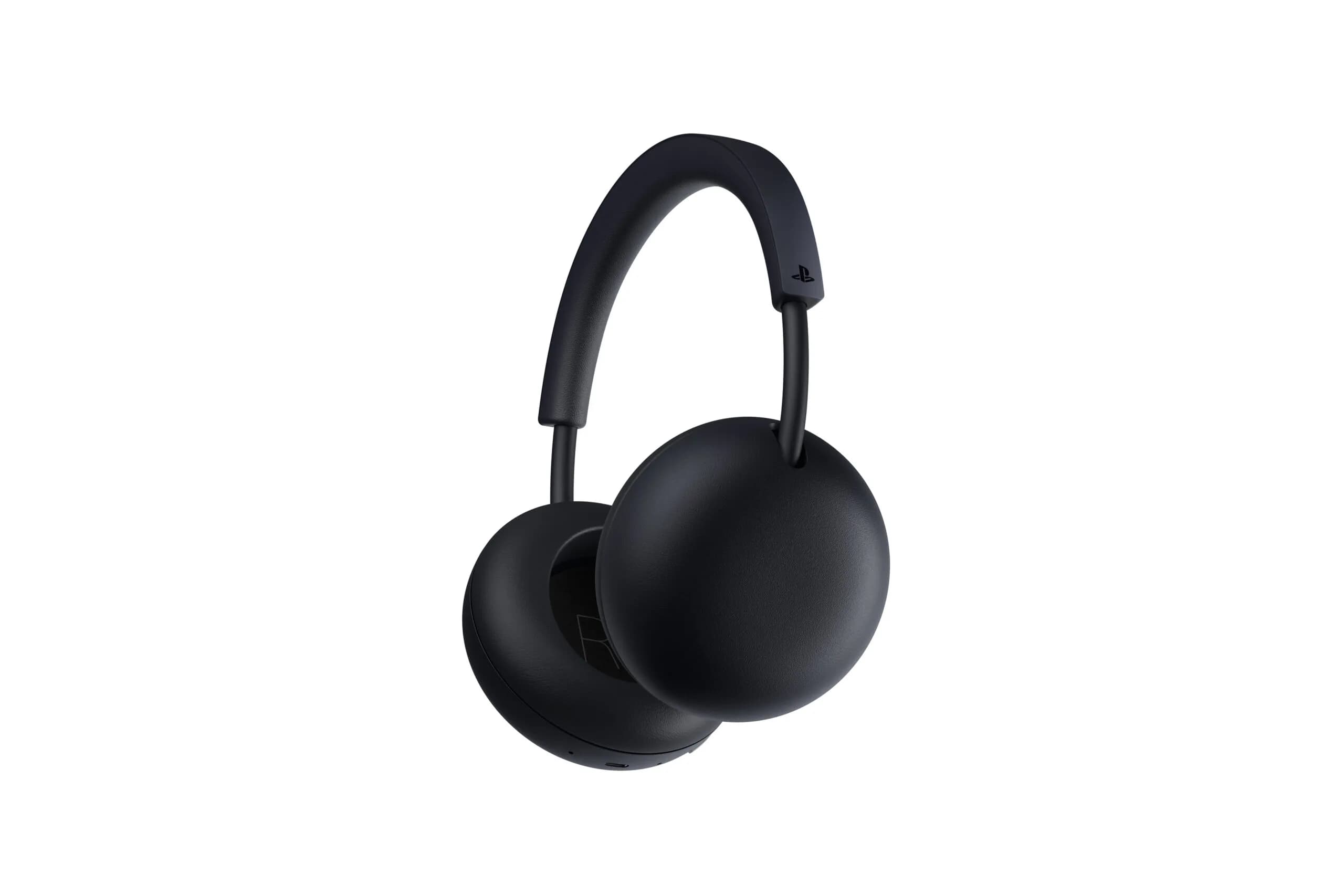
Sony is refreshing its PlayStation audio lineup with two new wireless gaming headsets designed to bring higher-quality sound and improved communication features to PS5 players. The company unveiled the PlayStation Pulse Wireless Headset and PlayStation Pulse Edge Wireless Headset on September 15, introducing custom planar magnetic drivers, PlayStation Link connectivity and AI-enhanced microphone noise rejection. The new models are positioned as the next generation of PlayStation's dedicated wireless audio products, building on the technology introduced with the Pulse Elite headset in 2024. Sony says both products are designed to deliver greater sound separation, spatial accuracy and detail across PS5 games and supported devices.
The most important hardware change is the use of larger, studio-inspired planar magnetic drivers. Unlike conventional dynamic drivers, planar magnetic designs use a thin diaphragm controlled across a magnetic field, a technology often associated with high-end headphones because of its potential for precise sound reproduction. Sony says the new Pulse headset has four magnets per planar driver, while the higher-end Pulse Edge doubles that to eight magnets per driver. The company says this architecture allows the new models to produce fuller and deeper bass without giving up the clarity needed to identify subtle directional sounds in games.
That focus on directional audio is particularly relevant to modern gaming. Competitive titles often rely on players being able to identify the location of footsteps, weapon reloads, explosions and other sound cues. Sony says the new drivers have been designed to provide strong sound separation and spatial accuracy, allowing players to distinguish those cues more precisely. The technology also builds on the wider PS5 audio ecosystem, including the console's Tempest 3D AudioTech, which Sony has used to create more immersive positional audio in supported games.
Both headsets support PlayStation Link, Sony's wireless audio technology for compatible PlayStation devices. PlayStation Link is designed to provide lossless, ultra-low-latency wireless audio and allows the new headsets to connect with PS5 consoles, PlayStation Portal, PCs and Macs that support the technology. The included USB Type-C PlayStation Link adapter is intended to make the headsets easier to use across compatible systems. Sony also says the headsets can maintain a simultaneous connection with supported Bluetooth devices, potentially allowing players to combine gaming audio with another connected device.
Microphone performance is another area receiving an upgrade. Both models include AI-enhanced noise rejection designed to reduce unwanted background sounds during voice chat. The technology follows the noise-rejection features already used in Sony's Pulse Elite and Pulse Explore products. For gamers using voice chat in busy environments, the goal is to make their voice clearer to other players without requiring a completely quiet room. Sony is increasingly treating microphone processing as an important part of gaming hardware, particularly as multiplayer games and online communities continue to depend heavily on voice communication.
The standard PlayStation Pulse is designed as the more straightforward of the two new models. It features the new planar magnetic drivers, AI noise rejection, built-in volume controls and PlayStation Link support. The headset also has rotating earcups that allow it to lie flat, making it easier to store and transport. Sony says the updated design has been developed with comfort and durability in mind, suggesting that the company wants the new headset to work not only as a gaming accessory at home but also as a portable audio product for players who move between different gaming environments.
The Pulse Edge takes the concept further with a collection of premium features. Its planar magnetic drivers use twice as many magnets as those in the standard Pulse headset, which Sony says helps deliver deeper bass while retaining precision and clarity. The Edge also includes active noise cancellation, a detachable boom microphone and a hidden microphone that can be used when the boom is removed. This gives users more flexibility when switching between gaming and general wireless audio use.
Another feature exclusive to Pulse Edge is built-in game audio and chat balance control for PS5. This allows players to adjust the relationship between game sound and voice chat directly from the headset. For multiplayer users, that can be particularly useful because the ideal balance can change depending on the type of game, the number of people in a party and how important voice communication is during a particular session. The Edge also includes an audio and microphone jack and comes with a carrying case, reinforcing its more premium positioning.
The two models will launch at different times. Sony says the standard PlayStation Pulse Wireless Headset is scheduled to arrive in select markets during the 2026 holiday season. The Pulse Edge Wireless Headset is planned for release in early 2027. The company has not yet announced final prices, exact release dates or pre-order information. That means the specifications are clear, but the commercial positioning of the two products will not be fully understood until Sony reveals how much each headset will cost.
The timing of the announcement is notable because Sony's previous premium wireless headset, Pulse Elite, arrived in 2024 with planar magnetic drivers and PlayStation Link. That product established the technology as part of the PlayStation audio ecosystem and was also compatible with PS5, PC, Mac and PlayStation Portal. The new Pulse and Pulse Edge models appear to take the same underlying approach and split it into two distinct product tiers, giving users a standard option and a more feature-rich premium model.
The strategy also reflects the growing importance of audio in gaming hardware. As graphics technology becomes increasingly advanced, manufacturers are putting greater emphasis on sound quality, immersion and communication. Ray tracing, high-resolution displays and increasingly powerful consoles have transformed the visual side of games, while technologies such as spatial audio are doing something similar for sound. Headsets are therefore becoming important tools for experiencing the full capabilities of modern games rather than being treated simply as accessories for online chat.
Sony's decision to use planar magnetic drivers across both new models is particularly significant because the technology has traditionally been more common in specialist headphones than mainstream console accessories. The company says it has worked to create custom versions specifically for its PlayStation products. That suggests the drivers are being tuned not just for music listening but for the particular demands of games, where accurate spatial information and rapid transitions between quiet and loud sounds can be as important as general audio quality.
The new headsets are also designed to work beyond the PS5. PlayStation Link allows compatible wireless connections with PlayStation Portal and computers, while Bluetooth provides another route for supported devices. That multi-device approach is becoming increasingly important in gaming because players now move between consoles, handhelds and PCs rather than relying exclusively on a single platform. A headset that can travel between those environments can potentially remain useful even when a user is not playing on a PS5.
For PlayStation Portal users, the compatibility could be especially relevant. Sony's remote player has increasingly become part of the company's wider gaming ecosystem, and PlayStation Link already allows products such as Pulse Elite and Pulse Explore to connect wirelessly to the device. The new Pulse family extends that ecosystem with another generation of compatible headsets, giving users a common wireless audio connection across different PlayStation hardware.
The emphasis on comfort is another response to how people actually use gaming headsets. A technically impressive device can become uncomfortable during long sessions if its weight distribution, earcup pressure or headband design is not carefully tuned. Sony says the refreshed Pulse models have an updated form factor intended to improve lasting comfort and durability, while the rotating earcups make the headsets easier to lay flat when not in use. More details about dimensions and weight have not yet been announced, so real-world comfort comparisons will have to wait until the products are available for testing.
The new Pulse range also arrives as the gaming-audio market becomes increasingly competitive. Companies including SteelSeries, Razer, Logitech and Turtle Beach already offer premium wireless headsets with features such as spatial audio, active noise cancellation and multi-device connectivity. Sony's advantage is its ability to integrate hardware directly with the PlayStation platform. Features such as PlayStation Link, PS5 game-chat controls and console-level audio integration can provide a more seamless experience than third-party devices, particularly for users who primarily game within the PlayStation ecosystem.
However, pricing could determine how appealing the new models become. Sony has positioned the Pulse Edge as a premium headset, but without an announced price it is difficult to compare its value with competing products. The standard Pulse will likely target a wider section of PlayStation players, while the Edge is clearly aimed at users who want advanced audio features such as active noise cancellation, stronger planar drivers and a detachable boom microphone. The eventual price gap between the two could therefore be as important as their technical differences.
The decision to introduce two products also gives Sony room to expand its audio strategy without forcing every player into the most expensive configuration. A player who mainly wants high-quality wireless audio and clear voice chat may not need active noise cancellation or a detachable microphone. Another player who uses a headset for long competitive sessions may place much greater value on those features. By separating the models, Sony can address different usage patterns while keeping the common PlayStation audio platform intact.
Artificial intelligence is another emerging theme in the products. Sony is using AI specifically for microphone noise rejection rather than presenting generative AI as a headline consumer feature. This is a practical application of machine learning that can directly improve the gaming experience by suppressing sounds from keyboards, household activity and other background sources. The approach illustrates how AI is increasingly becoming part of everyday hardware, where users may notice the result without necessarily interacting with an AI assistant or application.
The two new headsets will be offered in White and Midnight Black, matching the visual language of Sony's current PlayStation accessories. The consistent design should allow them to fit naturally alongside PS5 hardware and other PlayStation products. While appearance is unlikely to be the main purchasing factor for a gaming headset, maintaining a recognizable ecosystem can help Sony position the devices as part of the wider PlayStation experience rather than standalone headphones.
For Sony, the announcement is less about introducing a completely new category than about strengthening an existing hardware ecosystem. Pulse Elite demonstrated that PlayStation could bring more specialized audio technology into its first-party accessories, and the new Pulse and Pulse Edge models expand that approach. Larger planar magnetic drivers, improved noise rejection and multi-device PlayStation Link support show that Sony is concentrating on the aspects of gaming audio that can produce noticeable differences in everyday use.
The biggest unanswered question remains how much those improvements will cost. Sony has confirmed the features and launch windows but has not yet disclosed pricing. Independent testing will also be important. Manufacturer claims about sound separation, bass response, battery life and noise rejection will need to be compared with real-world performance once reviewers have access to retail hardware. Battery capacity and operating time have also not yet been detailed publicly, leaving an important part of the wireless-headset experience still unknown.
Still, the direction is clear. Sony is pushing PlayStation audio toward more advanced hardware while maintaining tight integration with PS5 and PlayStation Link. The standard Pulse brings planar magnetic sound and AI noise rejection into a new-generation mainstream headset, while Pulse Edge adds active noise cancellation, a detachable boom microphone, stronger drivers and additional controls for players seeking a more premium setup.
The arrival of the new models also shows how gaming accessories are evolving alongside consoles. Today's headsets are expected to deliver detailed positional audio, low latency, reliable wireless connectivity, strong microphones and comfort for extended sessions. Sony's latest products address each of those areas while adding technology that was once associated primarily with specialist audio equipment.
The PlayStation Pulse Wireless Headset will arrive in select markets during the 2026 holiday season, followed by Pulse Edge in early 2027. With pricing and exact availability still to come, the next stage will be seeing how Sony positions the two models against both its existing Pulse Elite and competing wireless gaming headsets.
1What to Watch Next:
The key details still to come are pricing, exact release dates, pre-order availability, battery life and regional launch information. Once the headsets reach reviewers, sound quality, microphone performance, comfort and PlayStation Link reliability will provide a clearer picture of how substantial the upgrades are compared with Sony's current wireless audio lineup.

Tech Desk
Covering consumer electronics, gaming hardware, and tech trends.
Related Post

Bank of England Chief Warns AI Market Crash Could Spread Across Global Economy

NASA Launches Nancy Grace Roman Space Telescope to Study Dark Matter and Distant Worlds
Apple iPhone Duo Launches at $1,999 as Samsung Defends Foldable Phone Lead

Self-Flying Planes Are Coming, but Can Autonomous Aircraft Really Replace Pilots?
RECENT POST
- »Sony Refreshes PS5 Audio Lineup With New Pulse and Pulse Edge Wireless Headsets
- »Senate Blocks CLARITY Act as US Crypto Regulation Effort Stalls
- »Goldman Sachs Now Expects September Fed Rate Hike as Inflation Fears Rise
- »US Stock Futures Fall as AI Fears and $108 Oil Shake Global Markets
- »US Dollar Holds Gains as Oil Surge Raises Inflation and Fed Rate Hike Bets