Trump Administration Launches Voluntary AI Testing Program for National Security Risks
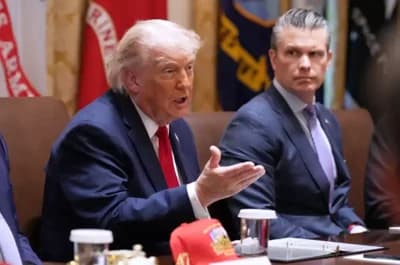
President Donald Trump has signed a new executive order aimed at one of Washington’s fastest-growing concerns: what happens when artificial intelligence becomes powerful enough to create national security risks?
The order establishes a voluntary framework allowing leading AI companies to submit their most advanced models for government testing before public release. Administration officials say the goal is simple. Encourage innovation. Reduce security risks. The policy gives federal agencies up to 30 days to evaluate participating AI systems for cybersecurity vulnerabilities and potential misuse. The Departments of Treasury, Defense, Commerce and Homeland Security will play central roles in the review process.
The move reflects a growing reality inside Washington. AI is no longer viewed solely as a business or technology issue. It has become a national security concern. Officials have warned that increasingly capable AI models could help identify software vulnerabilities, automate cyberattacks or create new threats to government networks and critical infrastructure if safeguards fail.
The White House argues that early testing can reduce those risks without slowing innovation. Critics question whether a voluntary system will provide enough oversight. Either way, the order marks one of the administration’s most significant actions on artificial intelligence since Trump returned to office.
Executive Order Marks a Shift in Trump’s AI Approach
The directive signals a notable change in tone from the administration. Since returning to office, Trump has largely favored a hands-off approach to the technology sector. He repeatedly warned against regulations that could weaken America's position in the global competition with China. That stance has not disappeared. It has evolved.
According to reports, the executive order emerged after weeks of internal debate. Trump reportedly delayed an earlier version of the policy because he worried some provisions could restrict innovation and reduce U.S. competitiveness. The final version reflects compromise.
An earlier proposal reportedly included a longer government review period. Industry concerns pushed officials to shorten the testing window to 30 days. Mandatory requirements were replaced with voluntary participation. Administration officials describe the framework as a balanced approach. Companies can cooperate with government experts without facing licensing requirements or formal approval processes.
National security advisers had been pushing for greater involvement. They say the advanced AI systems are becoming too powerful to be ignored. Recent developments around highly capable models have raised concerns about cybersecurity, infrastructure protection and misuse by malicious actors. The administration appears to have settled on a middle-ground strategy: encourage oversight without imposing direct regulation. Whether that balance holds remains an open question.
Cybersecurity Testing Becomes the Core of the Plan
At the center of the executive order is cybersecurity testing. Federal agencies will be authorized to evaluate participating AI models for vulnerabilities, security weaknesses and potential misuse scenarios before broader deployment. The reviews will focus heavily on threats involving critical infrastructure and essential public services.
Officials say the government wants to understand how advanced AI systems might be exploited before those risks reach the public. Treasury Secretary Scott Bessent noted that federal agencies have already been working with banks, infrastructure operators and technology companies to strengthen digital defenses. The executive order expands those efforts by bringing advanced AI systems directly into the review process.
The administration identified several sectors as priorities, including banking, healthcare, emergency response services and other areas considered critical to national security and economic stability.
The concern is not theoretical. Potent AI models may be able to bolster cybersecurity by spotting weaknesses more quickly. They could also open new avenues for attack if vulnerabilities go undetected. The order urges agencies to establish higher cybersecurity standards and boost government readiness for AI-related threats. It also promotes greater cooperation between federal officials and private-sector developers when risks are uncovered during testing. Supporters say the process will improve security and help companies identify problems before products reach consumers. Skeptics see a different challenge. A voluntary framework only works if companies choose to participate.
Industry Welcomes Flexibility but Debate Continues
Many leading AI companies reacted positively to the order. Reports indicate that several developers working on frontier AI systems support voluntary government testing and cybersecurity cooperation. There is increased industry awareness that more powerful models may necessitate stronger safeguards, and the urgency of those discussions has increased in recent days over concerns about advanced AI systems that could perform advanced cybersecurity-related tasks. As capabilities improve, so do concerns about misuse.
Not everyone is convinced the current framework goes far enough. Some critics say voluntary cooperation can leave big gaps if companies decide it's not in their interest to participate. Others worry the opposite could happen. They fear today’s voluntary reviews could become tomorrow’s mandatory regulations.
Those competing concerns shaped the final policy. According to reports, earlier drafts considered stricter oversight mechanisms, including licensing requirements and more aggressive regulatory provisions. Those measures were ultimately removed before the order was signed. The result is a policy built around collaboration rather than enforcement.
The executive order does more than establish a testing program. It echoes a larger change in how Washington views artificial intelligence. AI is more and more being seen as a strategic national resource with direct impacts on cybersecurity, economic competitiveness and national security. The success of the effort will hinge on participation, trust and implementation. As AI systems continue to progress, the discussion over how much oversight is needed probably won’t go away anytime soon.

Michael Chen
Michael Chen provides deep dives into consumer trends and global economic shifts.
Related Post
Marco Rubio Pushes US Energy Exports During Critical India Visit
Chick-fil-A Franchisee Sued by US Government Over Religious Discrimination
Meta Platforms Settles First School District Lawsuit Over Youth Mental Health Crisis

Toshifumi Suzuki Transformed 7-Eleven Into a Global Retail Giant
RECENT POST
- »Asian Markets Rally as United States and Iran Move Closer to Possible Deal
- »Family Offices in 2026: Shifting from Preservation to Planetary Impact
- »Louisiana Republicans Advance Congressional Map Reducing Majority-Black Districts
- »Marco Rubio Pushes US Energy Exports During Critical India Visit
- »OpenAI Reportedly Explores Legal Options Against Apple Over AI Partnership