John Cornyn Faces Tough Challenge From Trump-Backed Ken Paxton in Texas GOP Runoff
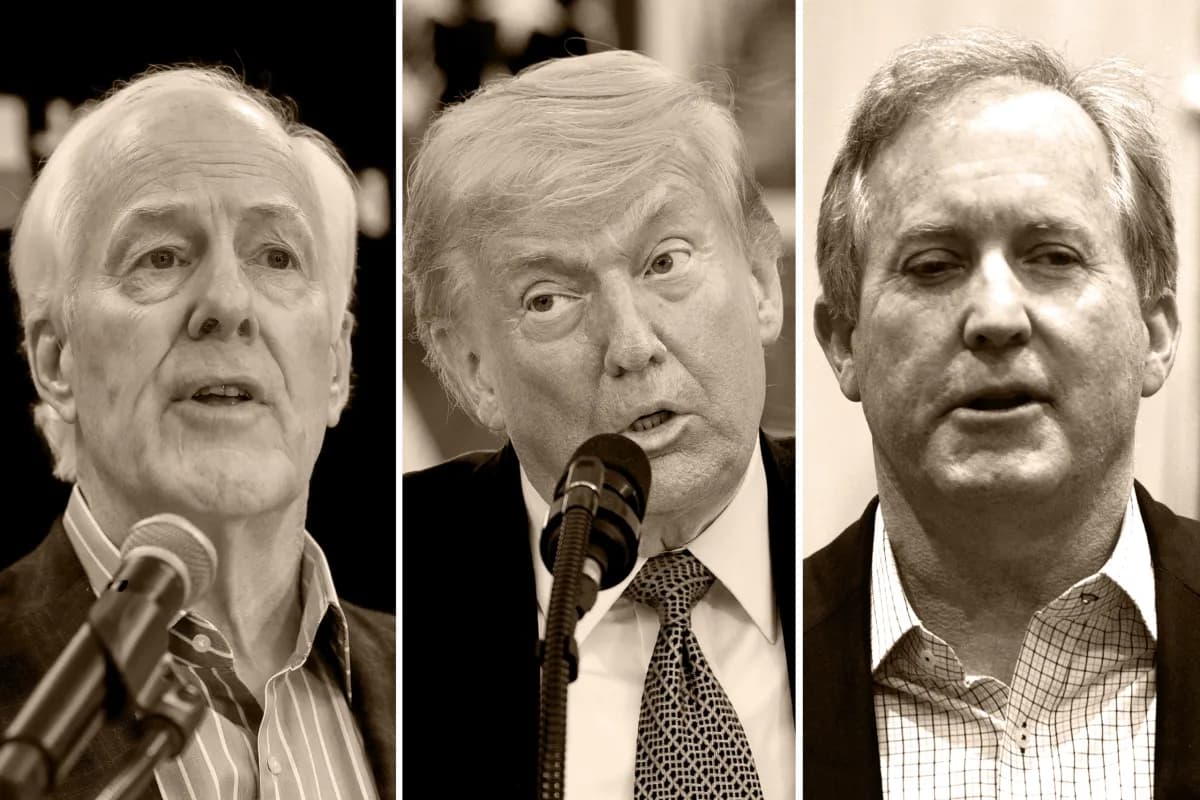
Texas voters are heading into one of the most closely watched Republican Senate primary runoffs in the country as incumbent Senator John Cornyn faces Texas Attorney General Ken Paxton in a bitter and expensive contest. The race has become a major test of Donald Trump's influence within the Republican Party, particularly in a state long dominated by conservative politics.
Trump's endorsement of Paxton gave the attorney general a major boost and intensified pressure on Cornyn, who has served four terms in the Senate and represents a more traditional Republican establishment wing. The runoff followed a crowded March primary in which neither Cornyn nor Paxton secured more than 50% of the vote.
Since then, the campaign has evolved into a deeply personal and highly aggressive battle, with both sides spending enormous sums on advertising and attacks. Reports described the race as one of the most expensive Republican primaries in Texas history, with millions of dollars flowing into television ads, digital campaigns and outside political groups.
Cornyn attempted to portray Paxton as too controversial and politically risky for Republicans heading into the general election. Paxton, meanwhile, embraced Trump's endorsement and positioned himself as the stronger conservative aligned with the MAGA movement.
Analysts suggested the runoff could become one of the clearest indicators yet of whether Trump-backed candidates continue dominating Republican primaries nationwide. The timing of the runoff also created uncertainty. With voting occurring immediately after Memorial Day weekend, strategists from both parties worried turnout could be unusually low.
Many observers believed lower turnout could benefit Paxton because of his highly energized base of conservative and pro-Trump supporters.
Trump's Endorsement Reshapes the Republican Contest
Donald Trump's endorsement of Ken Paxton dramatically changed the dynamics of the Senate runoff and became the defining issue of the campaign. For months, Republicans speculated about whether Trump would support Cornyn, who had longstanding ties to Senate leadership, or Paxton, who built his political identity around loyalty to Trump and conservative populism.
Trump ultimately endorsed Paxton, giving him a major advantage among Republican primary voters. Following the endorsement, several Republican voters and activists shifted toward Paxton, viewing Trump's support as a decisive signal.
Paxton emphasized the endorsement heavily in campaign appearances and advertising, arguing that Texas Republicans should back candidates fully aligned with Trump's agenda. Reports described the endorsement as potentially powerful enough to make Cornyn the first sitting Republican senator from Texas to lose a primary election.
Cornyn refused to back down despite the pressure. His campaign continued arguing that Paxton's legal controversies and impeachment history could weaken Republicans in the general election. Cornyn allies repeatedly highlighted Paxton's past securities fraud indictment, abuse-of-office allegations and impeachment by the Texas House in 2023, although Paxton was later acquitted by the Senate.
The runoff increasingly reflected a broader ideological struggle inside the Republican Party between establishment conservatives and Trump-aligned populists. National Republican organizations reportedly invested heavily to support Cornyn because of fears that Paxton could become vulnerable in a statewide general election.
At the same time, Trump's endorsement reinforced his continued influence over Republican voters and candidates across the country. Even some Republicans who had previously received Trump endorsements broke with the former president over the race. State Representative Jeff Leach publicly rejected Trump's support for Paxton, criticizing the attorney general's record and urging Republicans to oppose him in the runoff.
Cornyn and Paxton Trade Attacks in Brutal Campaign
The campaign between Cornyn and Paxton became increasingly hostile during the final weeks of the runoff. Both candidates flooded Texas television stations and online platforms with attack advertisements while largely avoiding direct public interaction with each other.
Reports described the contest as relentless, with nearly nonstop campaign messaging dominating Republican politics across the state. Cornyn's strategy focused heavily on portraying Paxton as ethically compromised and potentially unelectable.
His allies highlighted Paxton's impeachment proceedings, legal investigations and allegations of corruption, arguing that nominating him would create unnecessary risks for Republicans in November. Several Cornyn supporters also warned that Paxton's controversies could energize Democratic turnout and threaten Republican control of the seat.
Paxton responded by framing Cornyn as disconnected from the Republican base and too closely tied to Washington establishment politics. He accused Cornyn of insufficient loyalty to Trump and criticized the senator's past positions on immigration, gun legislation and Senate leadership.
Paxton also argued that Cornyn represented an older generation of Republican politics increasingly rejected by conservative grassroots voters. The financial scale of the race also became extraordinary. Reports estimated that around $135 million had been spent throughout the campaign, making it one of the costliest Senate primary battles in the country.
Outside groups, national donors and political action committees poured money into Texas as the runoff gained national significance. All that negativity aside, both campaigns were very competitive heading into Election Day. Polling suggested the race remained close, with analysts divided over whether Trump's endorsement would ultimately outweigh concerns about Paxton's controversies.
Democrats See Opportunity Ahead of General Election
While Republicans focused on the runoff battle, Democrats increasingly viewed the Texas Senate race as a rare opportunity to compete seriously statewide. Democrat James Talarico emerged as the Democratic nominee and positioned himself as a younger and more moderate alternative capable of appealing beyond the party's traditional base.
Some Democrats believed Paxton would be easier to defeat in the general election because of his legal controversies and polarizing reputation. Reports indicated that several Republican strategists privately worried the same thing, fearing Paxton could weaken GOP support among suburban and independent voters.
Cornyn's campaign repeatedly argued that Paxton risked turning a traditionally safe Republican Senate seat into a competitive race. Talarico's campaign attracted growing attention and substantial fundraising support.
Analysts noted that Democrats had not won a Senate race in Texas since 1988, but changing demographics and rising urban turnout continued fueling optimism within the party. Some recent polling and political commentary suggested the eventual Republican nominee could face a more competitive general election than Republicans initially expected.
The runoff also carried broader national implications because control of the Senate remains a major political objective for both parties ahead of the 2026 elections. Republicans hoped to maintain dominance in Texas while Democrats aimed to capitalize on internal GOP divisions exposed during the primary battle.
As voting concluded, political observers across the country closely watched Texas as a potential indicator of the Republican Party's future direction. Whether voters chose the establishment-backed Cornyn or the Trump-endorsed Paxton, the outcome was expected to shape not only Texas politics but also the national conversation surrounding Trump's continuing power inside the GOP.

Emily Rodriguez
Emily reports on U.S. politics, election strategy, and the national forces shaping state-level campaigns.
Related Post
Louisiana Republicans Advance Congressional Map Reducing Majority-Black Districts

Keir Starmer Faces Growing Revolt Within Labour After Election Setback
Donald Trump Announces $1.8 Billion “Anti-Weaponization Fund” After IRS Settlement
Democratic National Committee Autopsy Report Blames Strategic Failures for Kamala Harris’s 2024 Defeat
RECENT POST
- »Asian Markets Rally as United States and Iran Move Closer to Possible Deal
- »Family Offices in 2026: Shifting from Preservation to Planetary Impact
- »Louisiana Republicans Advance Congressional Map Reducing Majority-Black Districts
- »Marco Rubio Pushes US Energy Exports During Critical India Visit
- »OpenAI Reportedly Explores Legal Options Against Apple Over AI Partnership